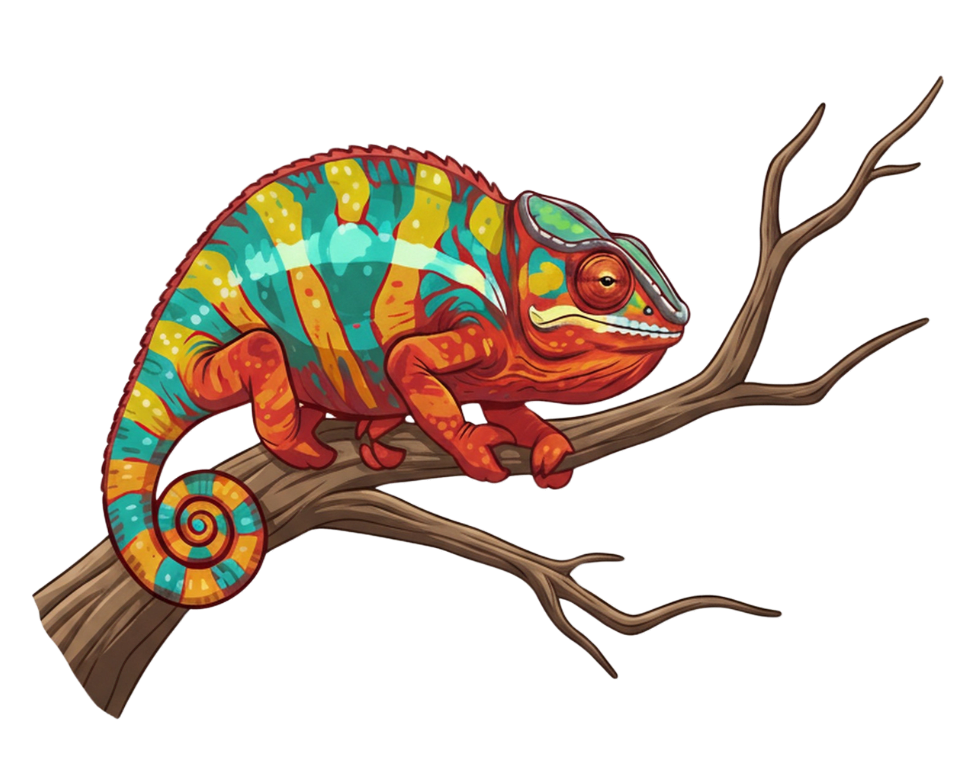
Panther vs Carpet Chameleons Which Pet Suits You Best

Published February 13, 2026
If you're considering adding one of these captivating reptiles to your home, choosing the right species is an essential first step. Panther, carpet, and jewel chameleons each bring their own charm and challenges, making it important to understand how their care, temperament, and space requirements align with your lifestyle and experience.
This guide will walk you through the key differences between these three popular species, offering clear, approachable insights to help you feel confident in your decision. Whether you're new to chameleons or looking to expand your collection, knowing what to expect from each will set you up for success and a rewarding connection with your new pet.
Panther Chameleons: Care, Temperament, and Ideal Keepers
Panther chameleons sit in that sweet spot between showpiece animal and manageable daily care. They grow larger than carpets or jewels, need more space, and reward good husbandry with strong color and confident behavior.
Core enclosure and climate needs
Adult males do best in a minimum 24" x 24" x 48" screen enclosure. Females can live in slightly smaller, but the same size keeps things simple and stable. Screen sides matter in the Northeast because homes tend to stay sealed up and stagnant; they keep air moving and reduce respiratory risk.
Set up a clear temperature gradient:
- Basking branch: about 85 - 88°F under a focused heat bulb
- Upper mid-level: high 70s to low 80s°F
- Lower areas: low to mid 70s°F
Winters in the Northeast dry indoor air fast, so humidity needs attention. Target roughly 50 - 60% during the day with peaks up to 80% after misting, then let it fall again. Use a mix of hand misting, a dripper, and, if needed, a cool-mist humidifier running into the room, not the cage.
Lighting, hydration, and diet
Panthers rely on strong UVB lighting. A T5 HO linear fixture with a 5.0 - 6% style bulb across the top works well; position the basking branch so the top of the casque sits around 8 - 12 inches below the bulb through screen.
They drink from moving water, not bowls. Offer:
- 2 - 3 longer misting sessions daily for drinking and humidity
- A steady dripper during the day, angled onto leaves
Diet should center on gut-loaded insects: crickets, roaches, silkworms, black soldier fly larvae, hornworms as a treat. Growing panthers eat daily; adults do well with feeding five to six days a week. Use a light calcium dusting at most feedings and a balanced vitamin schedule based on proven chameleon protocols, not generic reptile advice.
Temperament and stress profile
Compared with carpets and jewels, panther chameleons tend to be bolder and more visible. Many individuals hold their ground, display, or calmly observe instead of bolting for cover. That makes them easier to monitor for health and body condition.
They still stress quickly from excess handling, sudden movements, or noisy rooms. Color shifts, gaping, and puffing up are early stress signs. They do best in a low-traffic room with predictable routines rather than a hallway or child's play area.
Who panther chameleons suit best
For a motivated first-time keeper, panthers are often a better choice than smaller, more fragile species. Their size makes them easier to see, easier to assess, and more forgiving of minor errors as long as heat, UVB, and hydration stay within range. Their bold nature gives clearer feedback when something feels off.
They also appeal to experienced keepers who want to work with color lines and long-term breeding projects. The tradeoff is cost, enclosure footprint, and the need for consistent environmental control in a climate with dry, heated winters and humid summers.
If you want a display chameleon that spends more time out in the open, accept that handling is limited, and keep up with daily misting and feeder care, a panther sets a strong benchmark before you even think about carpets or jewels.
Carpet Chameleons: Unique Habits and Beginner Friendliness
Carpet chameleons share some basics with panthers - heat, UVB, and hydration all still matter - but the rhythm of their care feels different. They stay smaller, stay closer to the foliage, and often stay calmer, which changes how you set them up and how you read their behavior.
Smaller size, tighter footprint
Adult carpets are compact, so they do not need the towering cages panthers do. A vertical enclosure with good height still matters, but you focus more on dense planting than wide open space. Think of them as shrub-level hunters that like layers of cover instead of big exposed highways of branches.
Humidity, airflow, and enclosure style
Carpets respond well to a balance of moisture and ventilation. They appreciate higher ambient humidity than most panthers, but they also resent stale, wet air. That usually means:
- Screen or hybrid enclosure: solid sides on one or two panels, screen on the rest for cross ventilation
- Live or well-chosen artificial plants to hold droplets and break line of sight
- Regular misting with enough time between sessions for leaves to dry
Daytime humidity often sits higher than a panther's comfort zone, with gentle rises and falls instead of big spikes. You let the cage breathe between misting rounds so the lungs stay happy.
Substrate and ground-level habits
Unlike many panthers that live almost entirely in the branches, carpets spend more time near the middle and lower parts of the enclosure. A naturalistic substrate layer matters more. A well-draining mix - such as soil-based bioactive or a layered drainage system under leaf litter - supports plant roots and holds moisture without turning the floor into a swamp.
A bare glass bottom with a simple liner works if you prefer easier cleaning, but then you manage humidity with plants, misting, and room conditions instead of relying on damp soil. Whatever route you choose, avoid loose, dusty particles that cling to feeders or stick to tongues during strikes.
Feeding style and appetite
Carpet chameleons often show a steadier, less aggressive appetite than panthers. They still need a variety of gut-loaded insects, but they do not always charge across the cage for every cricket. Many keepers notice that carpets:
- Target smaller prey items more confidently than oversized feeders
- Hunt best from cover, watching a feeding cup or foliage for movement
- Respond well to more frequent, modest meals instead of heavy single feedings
The same supplement logic applies as with panthers - moderate calcium and a structured vitamin plan - just scaled to their size and slightly lighter intake.
Temperament and stress tolerance
Carpet chameleons often read as more placid. They tend to freeze or slowly reposition behind a leaf rather than inflate and display. That does not mean they tolerate handling; it just means their stress signals are quieter. You watch posture, subtle dark mottling, and hiding instead of full-color fireworks and gaping.
This calmer presence suits keepers who enjoy observation over interaction. They spend more time tucked into foliage, so you learn to check eyes, body weight, and movement in smaller windows instead of expecting a bold, front-and-center animal.
Where carpets fit for beginners
For someone comparing panther chameleon pros and cons, carpets often sit on the "smaller, softer demand" side of the scale. Their reduced size lowers enclosure footprint and feeder volume. Their humidity and ventilation balance rewards consistent routines rather than heavy equipment. In return, they ask for careful attention to subtle behavior and a bit more thought about planting, substrate, and moisture control.
If you prefer a quieter animal that blends into a leafy setup and you like the idea of tuning humidity and microclimates instead of managing a large display cage, carpet chameleons line up well with that style of keeping.
Jewel Chameleons: Maintenance, Lifespan, and Starter Tips
Jewel chameleons sit between carpets and panthers in a useful middle ground. They stay small like carpets but show more outgoing color and pattern once settled. That mix makes them appealing for keepers who already manage basic reptile routines and want their first "project" chameleon.
Size, lifespan, and general toughness
Jewels stay compact, so enclosure demands and feeder volume stay modest. With solid care, they often reach several years, which gives enough time to learn their habits and fine-tune husbandry. They handle small day-to-day swings in temperature or humidity better than many tiny species, but they still rely on consistent baselines. Think of them as hardy for chameleons, not as low-maintenance pets.
Enclosure layout and climate
Jewels do well in a vertically oriented enclosure that emphasizes dense planting over raw footprint. A screen or hybrid setup with strong airflow and layered cover suits them. Compared with panthers, they do not need as much height, and compared with carpets, they often spend a bit more time off the ground, using mid-level branches and stems.
- Create a basking area with a gentle heat source rather than a scorching hotspot.
- Build a gradient from warmer, brighter upper perches to cooler, shaded foliage below.
- Use live or carefully chosen artificial plants to hold droplets and give line-of-sight breaks.
Humidity often lands between the typical panther range and the moister carpet setups. You cycle through wet and dry periods with misting, but avoid constantly soaked leaves and stagnant air.
Lighting, hydration, and feeding habits
Jewels need strong, linear UVB just like carpets and panthers. Position perches so they can choose closer or farther distances instead of forcing one fixed zone. Hydration stays critical: they respond well to several shorter misting rounds and a slow dripper aimed across foliage, not on their heads.
- Offer small to medium gut-loaded insects sized to the width of the head.
- Feed modest amounts more often rather than large dumps of feeders.
- Dust with light calcium regularly and follow a steady, not heavy, vitamin rhythm.
Temperament and handling expectations
Jewels often feel more alert than carpets but less bold than many panthers. When stressed, they tend to shift deeper into cover or dull their colors instead of staying front-and-center and posturing. Handling stays limited and slow; you read their mood through eye movement, grip strength on branches, and how eagerly they return to cover after any disturbance.
Where jewels fit on the beginner scale
If panthers set the standard for confident display animals and carpets suit quiet plant-focused setups, jewel chameleons land in the middle. They reward keepers who already understand basic reptile routines, misting schedules, and feeder care, and who want to practice more refined chameleon beginner care tips without the higher stakes of a large, high-traffic panther cage. Their smaller size, moderate needs, and generally sturdy nature place them among the best chameleon species for beginners who already have a bit of reptile experience under their belt.
Why captive-bred jewels matter
Captive-bred jewel chameleons tend to ship and settle more smoothly than wild imports. They arrive used to consistent lighting, regular feeding, and human movement near the enclosure. That lowers early losses, makes starter chameleon species setups easier to dial in, and supports responsible breeding programs such as those run by small operations like East Coast Chameleons in Valley Stream.
Selecting Color Morphs and Captive-Bred Specimens
Color morphs pull most people in first, but they work best when matched to behavior and husbandry, not just looks. Within a species, different lines tend to share certain traits: some run hotter in temperament, some stay steadier, some grow faster. None of this overrides basic care, but it does shape day-to-day life with the animal.
Reading color lines in panther, carpet, and jewel chameleons
With panther chameleons, bold reds, deep blues, and high-contrast barring often track with more assertive display behavior. Those males stand their ground, fire up fast, and show clear stress colors when something feels off. Softer, pastel lines and lighter banding often behave a bit calmer and spend more time in neutral tones between displays. When you choose a panther morph, look at:
- How often the parents display full color versus relaxed base tones
- Whether they stay front-and-center or prefer partial cover
- Consistency of pattern and bar shape across siblings, not just one photogenic male
Carpet chameleons run more subtle. Their greens, teals, and speckles shift with mood, but lines tend to differ more in pattern density and contrast than in wild temperament swings. Focus on clear, symmetrical markings, clean edges around spots, and eyes that track movement without constant dark mottling. For carpets, reliability often matters more than raw color intensity.
Jewel chameleons sit between the two. Strong lateral striping and crisp dots usually show best once the animal feels secure. When looking at jewels, watch how quickly they return to normal color after a mild disturbance. A good candidate shifts down from stress tones to baseline pattern within minutes and resumes slow, deliberate movement.
Health over hype when choosing color morphs
Whatever morph you favor, skip animals that only look good for the camera. For each species, prioritize:
- Round, alert eyes with no sunken sockets or crust
- Steady grip on branches and deliberate climbing, not frantic scrambling
- Clean gums, no clicking or gaping at rest
- Smooth, complete shed remnants rather than stuck patches around the feet and casque
Ask to see the chameleon in neutral light, not just under colored LEDs. Strong pigment still looks bright under plain white bulbs. When color morphs in chameleons hold up in simple lighting and on a normal day, that line usually breeds true.
Why captive-bred matters for long-term success
Captive-bred panther, carpet, and jewel chameleons start life under controlled heat, UVB, and hydration. They grow up seeing humans move around cages, hearing normal household noise, and eating a consistent feeder rotation. That background tends to produce:
- Stronger baseline health and fewer parasite surprises
- More predictable feeding response and growth
- Temperaments that settle with routine instead of constant flight behavior
Captive breeding also keeps pressure off wild populations and lets keepers refine lines over time. Breeders track which pairings produce solid bone structure, clean pattern, and steady behavior, then repeat those matches instead of rolling the dice with new imports.
East Coast Chameleons leans into that approach: pairings are chosen for health and stability first, then color. That means a high-red panther, a patterned carpet, or a bright jewel from their racks is not just a nice photograph, but an animal raised under consistent care from the egg. For new keepers or anyone stepping into more advanced morphs, that kind of background makes selecting chameleons for home setups a calmer, more predictable process.
Matching Your Lifestyle: Which Chameleon Is Right for You?
Start by sketching out your day, not your dream color palette. Chameleons live inside your routines, your space, and your noise level. There is no "better" species here, only better fits for the way you already live.
Space and enclosure footprint
If you have room for a tall enclosure and do not mind a larger visual presence in the room, a panther fits that display role. Limited floor space or shared living areas lean more toward carpets or jewels, which stay smaller and work well in dense, plant-heavy setups.
Think about where the cage would sit: away from vents, doors, and constant traffic. A chameleon in the wrong spot will spend more time hiding than showing off its colors.
Time, routine, and comfort with detail
All three species need consistent misting, feeding, and lighting checks. Panthers reward tight temperature and UVB control with bold behavior that is easy to read. Carpets and jewels favor steadier moisture rhythms and careful observation of more subtle signals.
If you enjoy tinkering with plants, microclimates, and fine-tuning humidity, carpets or jewels line up well. If you prefer a clear baseline schedule with obvious feedback when something drifts, panthers often feel more straightforward.
Handling expectations and temperament
Think about how much you actually want to handle a chameleon. Panthers often stay more visible and may tolerate occasional short interactions, but they still prefer to perch and be left alone. Carpets and jewels lean toward quiet observation pets; you watch their natural behavior rather than moving them around.
If you live with kids or frequent visitors, be honest about how often hands will reach for the cage. A display-first mindset with gentle boundaries works better than hoping for a shoulder lizard.
Experience level and goals
For a first chameleon, panthers often feel like solid teachers: clear signals, forgiving size, and strong appetite. Jewel chameleon beginner tips often target keepers who have basic reptile habits down and want something compact but still colorful. Carpets favor patient keepers who enjoy subtle behavior and leafy setups more than in-your-face displays.
None of these choices say anything about your skill or seriousness. They just reflect how you like to keep animals. If you want a second set of eyes on that match, East Coast Chameleons offers low-pressure support and care consultations so you do not have to guess alone.
Choosing between panther, carpet, and jewel chameleons is a rewarding step that connects you to a unique world of reptile care. Each species brings its own temperament, space needs, and care rhythms, so understanding these differences helps you create a home where your chameleon can truly thrive. Prioritizing captive-bred animals ensures you start with a healthy, well-adjusted companion raised under consistent conditions that support long-term success. If you're in the New York area, East Coast Chameleons offers personalized guidance rooted in decades of regional experience and a no-judgment approach designed to help you feel confident every step of the way. Whether you're just starting out or refining your setup, don't hesitate to reach out with questions and stay connected with a community that values your success as much as the well-being of your chameleon.