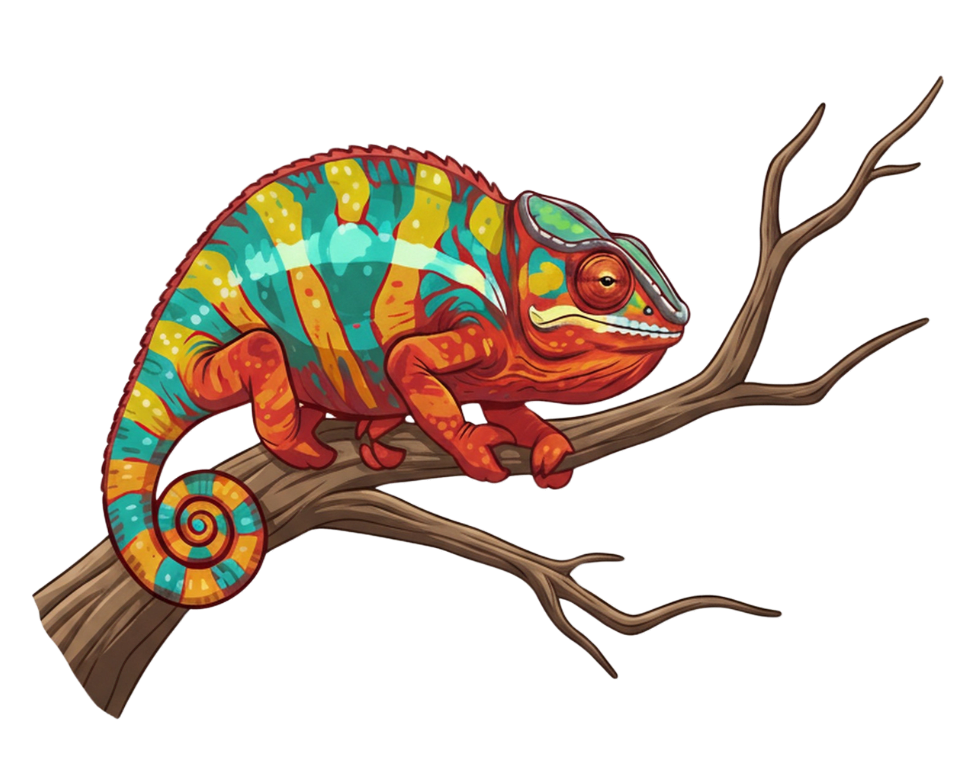
How to Design Custom Bioactive Terrariums for Chameleons

Published February 06, 2026
Welcome to the fascinating world of custom bioactive terrariums designed specifically for chameleons. These living enclosures go beyond simple glass boxes by creating a carefully balanced ecosystem that mimics a chameleon's natural environment. A bioactive terrarium combines plants, soil, beneficial microfauna, and controlled airflow to support the health and well-being of these delicate reptiles. Crafting such a habitat from the ground up means thoughtfully blending natural elements with technology to meet the unique needs of each chameleon species and individual. This thoughtful design not only promotes natural behaviors but also helps maintain stable humidity, temperature, and cleanliness without constant intervention. Whether you're new to chameleon care or have kept them for years, understanding the principles behind these custom setups opens the door to more successful and rewarding ownership.
Designing the Concept: From Idea to Blueprint
The design work starts long before any glass, screen, or plants come out. First comes a clear picture of who the enclosure is for: species, age, and long-term size. A baby panther chameleon calls for different perch spacing, plant density, and feeder access than an adult that needs more height and stronger branch structure.
Next comes the space the enclosure has to live in. Ceiling height, room temperature swings, nearby windows, and access to outlets all shape the footprint and style. A tall narrow build may suit a tight corner, while a wider format works better under low ceilings. These details decide the basic frame before any fine-tuning starts.
Species-specific needs sit at the center of every custom bioactive terrarium concept. Airflow, drainage, and UVB placement are sketched around how the chameleon actually moves and thermoregulates. The bioactive environment for small chameleons needs enough climbing options low and mid-level, with safe pathways up toward basking zones as they grow.
Natural elements are planned, not thrown in. Anchor branches are mapped first so the chameleon has clear highways through the enclosure. Then come planting pockets, drainage paths, and spots for sturdy epiphytes or trailing vines. Substrate layering techniques are chosen to match plant types, clean-up crew, and the expected misting schedule, so the lower levels stay oxygenated instead of turning swampy.
On paper, this all starts as loose sketches: front views for perch layout, side views for drainage slope, top-down views for airflow and misting coverage. Those sketches move into digital blueprints, where dimensions, mesh cutouts, vent placement, and 3D-printed component mounts are set with millimeter precision. East Coast Chameleons folds in hard-earned knowledge of Northeast temperature shifts and indoor heating patterns at this stage, so the final plan already anticipates seasonal changes before a single panel is cut.
Choosing Safe and Durable Materials for Bioactive Enclosures
Once the layout is locked in, the next decision is what the enclosure is actually made from. Material choice sets the tone for everything that follows: temperature stability, humidity control, ease of cleaning, and how safe the space is over years of use.
For solid walls, PVC is common, but there are strong alternatives. HDPE panels hold up well in wet, bioactive builds. They do not absorb water, resist warping, and handle frequent misting without swelling. The tradeoff is weight and cost, plus you need sharp tools and proper support so panels do not flex at the seams. Acrylic gives clear viewing and a clean look, which works well for front doors and side panels. It insulates better than glass but scratches faster, so cleaning tools need soft edges and no sand in the wipe-down cloth.
Framing and structural parts stay simple and safe: inert plastics, sealed metals, and rot-resistant supports where they contact damp substrate. Any 3D-printed parts, such as misting brackets or cable guides, use stable filaments that do not soften under heat lamps or break down with UV exposure.
The substrate layers in a bioactive chameleon enclosure setup rely on materials that drain well but still support roots and microfauna. A typical stack uses:
- A coarse drainage layer (expanded clay or similar) to keep standing water away from roots.
- A barrier that lets water pass but stops soil from clogging the base.
- A soil mix built from clean topsoil, organic matter, and mineral components, with no perfumes, fertilizers, or wetting agents.
Each layer must stay stable under frequent misting and Long Island's seasonal humidity swings, so East Coast Chameleons favors mixes that resist compaction and stay aerated. That keeps plant roots and clean-up crews healthy, which in turn keeps waste breaking down instead of rotting.
Sealants and adhesives are the quiet heroes of east coast chameleons terrarium design. Only reptile-safe silicones and construction adhesives go into seams, backgrounds, and branch mounts. The key checks are: 100% silicone with no mildew-resistant additives, plenty of cure time, and no lingering odor before animals move in. For backgrounds, lightweight foam or cork is coated with non-toxic sealant and, where needed, a thin layer of substrate or sand to lock in texture without shedding grit.
All of these choices aim at one thing: a stable, predictable environment that holds shape under heat, mist, and daily use. Safe plastics, clean substrates, and proven sealants give the bioactive terrarium installation process a solid backbone, so the living parts of the build can thrive instead of fighting against the box that holds them.
Ventilation and Airflow: Designing for Chameleon Health
Once the walls and frame are chosen, the next variable is how air moves through that box. Bioactive builds hold moisture and organic matter, so airflow is not optional; it sets the tone for humidity, temperature gradients, and how safe the air is for a chameleon's lungs.
Chameleons breathe best in fresh, slightly moving air. Stale pockets around the head and basking zones trap heat and mist, which pushes humidity too high and encourages bacterial growth. On the other end, an enclosure that leaks air from every side dries out, fights your misting schedule, and leaves the bioactive layers struggling to stay active.
East Coast Chameleons approaches ventilation as a controlled path, not random holes in panels. Their air-through cage designs create a consistent front-to-back or bottom-to-top flow: cooler air enters low, sweeps across the interior, then exits higher up. This pattern keeps the basking zone warm without cooking the upper canopy and gives the drainage layer in bioactive terrariums a steady exchange of oxygen.
Common layouts use:
- Screen tops for strong upward draft and light penetration, paired with solid sides to protect humidity.
- Low intake vents cut or printed into front or side panels to pull fresh air across the substrate and plant bases.
- High exhaust vents on the opposite face, near heat or UVB fixtures, to bleed off warm, saturated air.
Vent size and mesh type adjust to room conditions and species. Fine mesh slows airflow and holds humidity; wider openings move more air but demand more frequent misting. Digital plans for these builds lock in vent placement around future branch lines so air passes by key perches instead of only along bare walls.
Good airflow also protects the ground level. When intake and exhaust work in balance, evaporating water from the drainage layer rises and blends into the mid-canopy, rather than condensing under the top or soaking the soil surface. That balance is what lets substrate layering and plant roots stay oxygenated while microfauna break down waste instead of drowning in stale, saturated corners.
Substrate Layering Techniques for a Thriving Bioactive Environment
Once airflow paths are set, the ground layer becomes the engine of the bioactive system. A good substrate stack manages water, feeds plants, and gives springtails and isopods the pockets they need to stay busy instead of crashing.
Step 1: Drainage that never turns swampy
The base starts with a drainage layer. Expanded clay balls or similar coarse media create a gap where extra water can collect without soaking roots. Depth depends on enclosure height and misting schedule, but the rule stays the same: enough room for runoff so the soil above does not sit in a puddle.
On top of that goes a barrier that lets water move but keeps soil from sinking into the base. Many builds use mesh with small openings or a non-organic fabric. The barrier should lie flat, reach wall to wall, and avoid folds where soil can sneak through and clog the bottom.
Step 2: Soil mix that breathes and feeds
Above the barrier sits the working layer. A bioactive soil mix blends clean topsoil, a fibrous component like shredded bark or leaf litter, and a mineral piece such as sand or fine gravel. The goal is a mix that clumps lightly when squeezed but still breaks apart, so roots and microfauna get oxygen.
This is where many new keepers run into trouble. Bagged "potting soils" with fertilizers, crystals, or wetting agents tend to compact, hold too much water at the surface, and burn sensitive roots. A simple, unfertilized base with added organic matter breaks down slower and gives springtails space to move through the top few inches.
Step 3: Surface structure and microfauna support
The topmost layer handles daily wear. A thin spread of partially decomposed leaf litter, small pieces of cork, and a few patches of moss break up impact from dripping nozzles, keep the soil from crusting, and give hiding spots for the clean-up crew.
That surface structure does more than look natural. It slows evaporation, which lets the lower layers stay evenly moist instead of cycling between soaked and bone dry. Springtails, isopods, and similar microfauna tuck into the litter, where they break down shed skin and fallen plant parts before mold can take over.
Moisture control and mold prevention
With the right layers in place, mold and anaerobic pockets have fewer chances to start. Excess water drains down, then leaves through the vents planned earlier. The soil zone stays damp but not waterlogged, so aerobic bacteria and microfauna handle waste breakdown instead of rot taking over.
If mold patches do show up, the fix usually traces back to the stack: drainage layer too shallow, barrier clogged, soil too fine, or surface sealed under dense, wet moss. Adjusting one layer at a time is more effective than tearing everything out.
East Coast Chameleons leans on substrate kits and mixes tuned for chameleons kept in the Northeast, where indoor heat dries air in winter while summer humidity pushes moisture levels higher. Their recommendations balance those swings, so the bioactive environment for small chameleons holds stable footing under changing room conditions and matches the ventilation patterns already built into the enclosure.
Integrating Technology and 3D-Printed Components into Custom Terrariums
Once the physical box and living layers are sorted, technology steps in to keep conditions predictable. Sensors, controllers, and lighting are there to support the bioactive system, not fight it.
The backbone is reliable monitoring. Digital humidity and temperature probes sit at key heights: one near the basking branch, another in the mid-canopy, and sometimes a third closer to the substrate. Wireless displays or app-linked hubs make swings obvious, so you see patterns in misting, room heating, and nighttime drops instead of guessing from a single gauge on the front glass.
With that data in hand, automated misting does the heavy lifting. Timers or smart controllers trigger short, frequent sessions that match the bioactive substrate layering and drainage you already built. Nozzles aim across foliage and main travel routes, not straight at the chameleon. A consistent schedule keeps plants and microfauna hydrated while leaving enough dry-back time for good airflow to do its work.
LED systems round out the hardware. High-output strips and spot fixtures are positioned around UVB, not as an afterthought. The goal is an even wash of light that pulls plants upward and keeps visual hotspots off the glass. Timers handle photoperiods so sunrise and sunset happen on schedule, even when life gets busy.
Where 3D Printing Changes the Game
This is where East Coast Chameleons leans on in-house 3D printing. Instead of forcing generic parts to fit, they design components around the exact digital plans used for the enclosure.
- Custom sensor mounts: Brackets clip to frame rails or background ribs at set heights, locking probes in the same spots used during testing.
- Misting and LED brackets: Nozzles and light bars bolt into printed mounts that keep aim and distance locked, so coverage stays true even after maintenance.
- Feeding ports and chutes: Discreet access points let feeders enter at mid-canopy, close to natural hunting routes, without leaving large gaps in the door seals.
- Ventilation covers: Printed vent trims and screens match the air paths planned earlier, tightening gaps while still allowing strong flow.
Because these parts are modeled to the millimeter, they sit flush against panels, frames, and backgrounds. That tight fit cuts down on rattles, light leaks, and escaped feeders, and it makes wiring and tubing routes obvious instead of tangled.
The result is a bioactive vivarium setup for chameleons where hardware, 3D-printed accessories, and living systems share one plan. Tech keeps conditions steady, printed mounts keep gear exactly where it was tested, and the keeper spends less time wrestling equipment and more time observing behavior. From here, the focus shifts from the workbench to final assembly, planting, and walking new owners through how their enclosure runs day to day.
Final Installation and Bringing Your Bioactive Terrarium to Life
Once the build, substrate, and tech are dialed in, the project finally leaves the workbench. Delivery or pickup is only the start; the enclosure still needs to settle into its corner of the home before it becomes a safe bioactive chameleon habitat.
Assembly follows a predictable order. The empty enclosure is leveled and checked for rock-solid footing so water drains toward the planned low point. Backgrounds, anchor branches, and 3D-printed mounts go in first while the box is still wide open. Cables and misting lines route through their channels before any soil or plants touch the floor.
Substrate and hardscape come next. The drainage layer and barrier go down, then the bioactive soil mix. Larger branches and rocks press gently into the top few inches to lock them in place without crushing the lower layers. Only after the structure feels stable do the plants move in.
Plant placement starts with function. Thirsty, deep-rooted species sit over thicker substrate pockets; lighter epiphytes perch near main travel routes for cover. More open areas under the basking zone stay clear so heat and light reach the chameleon without roasting leaves. Once planted, everything gets a slow, soaking mist to settle soil and rinse dust.
Microfauna introduction comes after that first thorough watering. Springtails and isopods tuck under leaf litter and around the base of wood pieces, not just dumped in one spot. Over the next week or two, their activity spreads through the soil as they find stable moisture pockets.
This is where patience matters. Lights, UVB, and misting schedules run with no animal inside. Probes log how temperatures, humidity, and surface drying respond across several days. Any tweaks to nozzle angles, vent covers, or photoperiods happen now, while changes only affect plants and clean-up crews.
Only once readings settle into target ranges, leaves perk up, and microfauna stay active does the chameleon enter the picture. The first introduction is calm and brief. The animal is placed on a main perch and left alone; no handling, no constant peeking. For the next week, observation stays quiet and focused: track appetite, color at rest, preferred sleeping spots, and how often the chameleon uses misting windows.
Maintenance in a healthy bioactive build is steady rather than dramatic. Daily checks cover water levels, misting output, and plant posture. Weekly tasks include trimming fast growers, stirring small surface patches if they crust, and topping up leaf litter. Any waste the clean-up crew misses gets spot-removed before it sinks into corners.
East Coast Chameleons keeps this phase from feeling like guesswork. Their appointment-based support walks keepers through reading sensor data, spotting early stress signals, and deciding when the enclosure is ready for the resident to move in. One-on-one guidance stays available through this transition so each chameleon, and each setup, gets adjustments that fit its behavior instead of forcing a generic plan.
Creating a custom bioactive terrarium for your chameleon is truly a blend of thoughtful planning, careful material choices, and ongoing care. Each step - from designing the enclosure to layering the substrate and integrating technology - builds toward a stable, healthy environment that matches your chameleon's unique needs and the local climate. While the process might seem detailed, having clear guidance and quality components makes it manageable and rewarding. If you're in the Northeast or nearby, connecting with East Coast Chameleons can provide you with personalized advice, help with custom enclosure orders, and insights into maintaining a thriving bioactive setup. Remember, no question is too small or too basic here - this community values learning and support above all. Take that next step to ensure your chameleon's wellbeing with confidence, knowing help is just a conversation away.